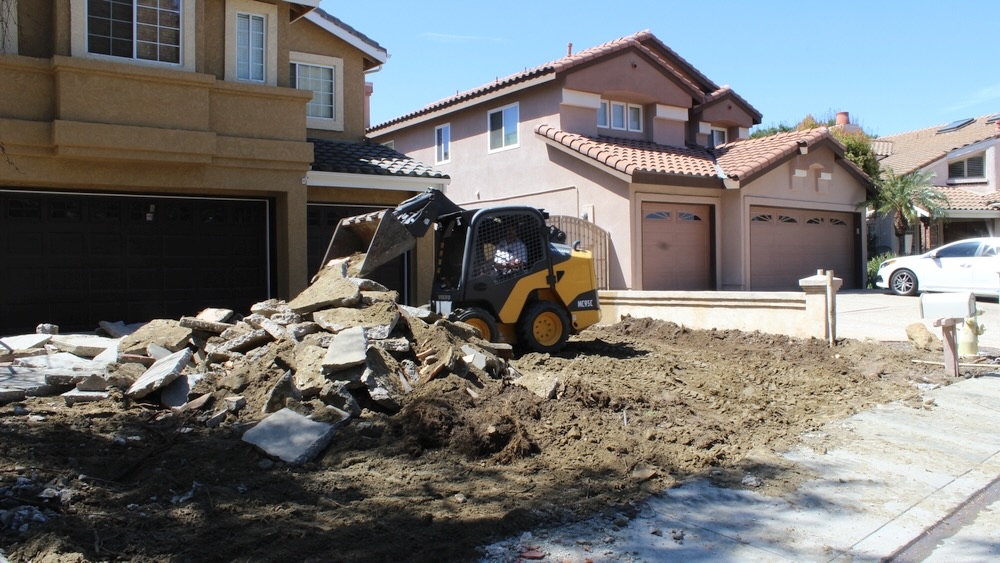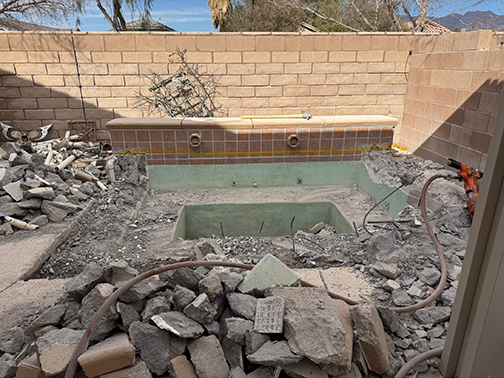

One of the most common worries we hear from Las Vegas homeowners isn't about the wrecking equipment or the dust — it's the paperwork. "Do I need a permit to demolish my house? Who handles it? How long does it take?" If the permit process feels like a black box, this guide is for you. Here's what you actually need to know before any demolition starts in Clark County.
Do You Need a Permit to Demolish a Structure?
In almost every case, yes. Tearing down a house, a detached garage, a large shed, or filling in an inground swimming pool in Clark County requires a permit. This isn't red tape for its own sake — the permit process exists to make sure utilities are safely disconnected, hazardous materials are handled correctly, and the work doesn't endanger neighbors or the public. Skipping it can lead to stop-work orders, fines, and serious headaches if you ever try to sell or rebuild.
Smaller projects — like removing an interior wall or a small accessory structure — may have different requirements, but when in doubt, assume a permit is involved and confirm before you start.
The Demolition Permit Process, Step by Step
While exact details vary depending on whether your property is in the City of Las Vegas, Henderson, North Las Vegas, or unincorporated Clark County, the general process follows the same logical path. Official requirements are published by the Clark County Department of Building & Fire Prevention, and the City of Las Vegas publishes its own demolition permit guidelines.
Step 1 — Asbestos survey. Before a demolition permit is issued, an asbestos assessment is typically required, especially for older homes. Nevada takes this seriously, and proof of the survey (and abatement, if needed) is part of the approval.
Step 2 — Utility disconnections. Gas, electric, water, and sewer must be properly disconnected and capped, with sign-offs from the relevant utilities. You can't demolish a structure that's still live.
Step 3 — Permit application. The application is submitted to the correct jurisdiction with the required documentation, including the asbestos survey and utility confirmations.
Step 4 — Review and approval. The jurisdiction reviews the application. Approval commonly takes anywhere from a few days to a few weeks, so it's wise to start early.
Step 5 — Demolition and final inspection. Once approved, work can begin. After the structure is down and the site is cleared, a final inspection typically closes out the permit.
What Do Demolition Permits Cost?
Permit fees vary widely by jurisdiction and project type. Across the U.S. in 2026, demolition permits commonly fall in the $50 to $1,000 range, while pool-specific demolition or in-fill permits often run around $200 to $400. Some projects also require engineering inspections during fill and compaction, which is a separate cost. Always confirm the current fee with your specific jurisdiction. (For how permits fit into the bigger picture, see our Las Vegas house demolition cost breakdown.)
| Project Type | Typical Permit Range (2026, U.S.) |
|---|---|
| House / structure demolition | $50 - $1,000 |
| Inground pool removal / in-fill | $200 - $400 |
| Engineering inspection (if required) | Additional, varies |
These are general U.S. industry ranges for 2026, not official Clark County figures. Confirm current fees with your jurisdiction before budgeting.
Who Handles the Paperwork — You or the Contractor?
This is the part that brings most homeowners relief: a good demolition contractor handles the permitting and utility coordination for you. Rather than spending days figuring out which office needs which form, an experienced local contractor knows the jurisdictions, the inspectors, and the documentation — and manages it as part of the job.
That said, always confirm in writing who is responsible for what. A clear contract will state whether the contractor pulls the permits, arranges the asbestos survey, and coordinates utility disconnections, or whether any of that falls to you.
Quick Reference: Permit Responsibilities
A general guide, not a substitute for official requirements.
| Task | Typically Handled By | Notes |
|---|---|---|
| Asbestos survey | Contractor (arranged) | Required before permit, especially older homes |
| Utility disconnections | Contractor coordinates | Sign-offs needed from each utility |
| Permit application | Contractor | Submitted to correct jurisdiction |
| Permit fees | Often passed to owner | Confirm if included in your quote |
| HOA approval (if applicable) | Homeowner | Check your HOA rules early |
| Final inspection | Contractor schedules | Closes out the permit |
Don't Forget Your HOA
If your property is in a community with a homeowners association, you may need HOA approval in addition to your jurisdiction's permit. HOA timelines can be slow, so start this conversation early — it's one of the most overlooked causes of delay in residential demolition.
How Long Does the Whole Process Take?
For larger projects, the physical teardown can take only a day or two, but the full process — permitting, utility capping, demolition, and site clearing — usually spans two to four weeks. Pool removals follow a similar pattern: a few days of active work plus one to three weeks for permit approval beforehand. The smartest move is to start well ahead of when you want work to actually happen.
Let Us Handle the Red Tape
For most homeowners, the real value of hiring a local demolition company isn't just the equipment — it's not having to navigate permits, surveys, and utility sign-offs on your own. At Trusted Demolition, we handle the permitting and coordination across Clark County jurisdictions so you can focus on what comes next for your property. You can see the full range of demolition services we offer across Nevada.
Planning a demolition in the Las Vegas area? Request a free quote and we'll explain exactly which permits your project needs and how we'll take care of them.