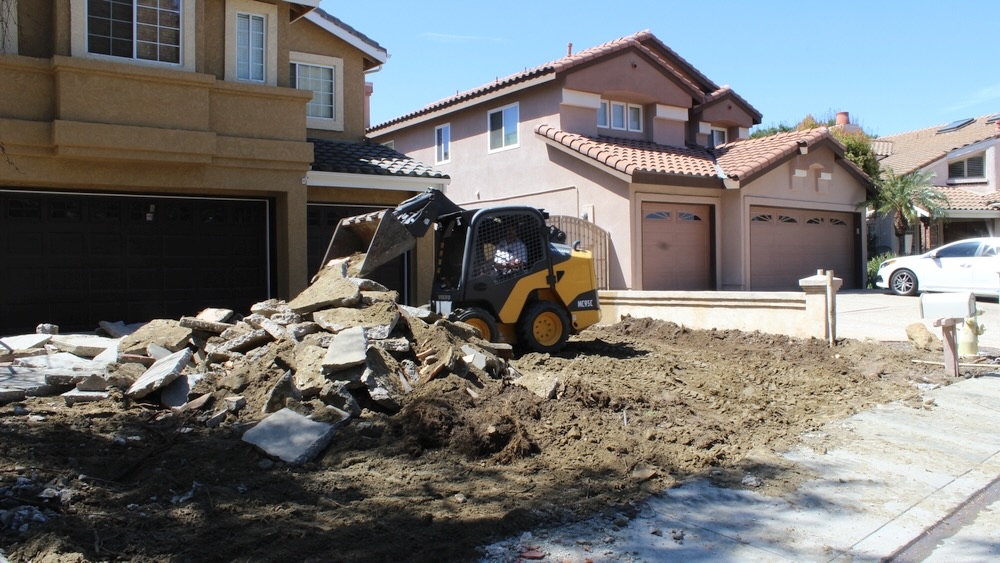

In Las Vegas, swimming pools were once considered a must-have luxury. But in 2026, the trend is shifting fast. More homeowners are choosing pool removal instead of pool repair or resurfacing—and the reasons are practical, financial, and long-term.
From rising water costs to aging pool structures and strict HOA expectations, pool demolition has become one of the fastest-growing residential demolition services in Southern Nevada.
If you’re wondering whether to repair your pool or remove it entirely, this guide breaks down everything Las Vegas homeowners need to know.
Why Pool Removal Is Increasing in Las Vegas
Las Vegas has a very unique environment for pool ownership:
- Extreme summer heat
- Hard water conditions
- High evaporation rates
- Aging suburban housing stock
- Rising utility costs
Because of these factors, many older pools built in the 1990s and early 2000s are now becoming expensive liabilities instead of assets.
Homeowners are realizing that constant repairs often cost more than removal over time.
1. The Rising Cost of Pool Repairs in 2026
Pool repair costs have increased significantly in recent years due to material shortages, labor costs, and aging infrastructure.
Common repair expenses include:
- Pool resurfacing: $6,000–$15,000+
- Pump replacement: $800–$3,500
- Plumbing repairs: $1,500–$10,000
- Leak detection and sealing: $300–$2,500
When multiple systems start failing, homeowners often face a “never-ending repair cycle.”
Instead of continuously investing in an aging structure, many Las Vegas residents choose full removal as a one-time solution.
2. Water Costs and Conservation in Las Vegas
Water conservation is a major issue in Southern Nevada. According to the Southern Nevada Water Authority (SNWA), outdoor water use accounts for a large portion of residential consumption, and pools contribute significantly to evaporation and refill demand.
As water regulations tighten and utility costs rise, many homeowners are asking:
“Is my pool worth the long-term water expense?”
For many, the answer is no.
Removing a pool can:
- Reduce water usage
- Lower monthly utility bills
- Eliminate evaporation loss
- Support conservation rebates (in some cases)
3. Home Value: When a Pool Stops Being an Asset
While pools can increase property value in some markets, Las Vegas is more mixed.
In older neighborhoods, pools often:
- Are outdated
- Require safety upgrades
- Reduce usable yard space
- Deter buyers who don’t want maintenance responsibility
Modern buyers increasingly prefer:
- Low-maintenance landscaping
- Outdoor entertainment space
- Artificial turf or patio extensions
This shift is driving demand for backyard conversions after demolition, where pools are removed and replaced with functional outdoor living areas.
4. Safety Risks of Aging Pools
Older pools can become safety hazards when they are not properly maintained.
Common risks include:
- Cracked shells
- Exposed rebar
- Broken decking
- Faulty electrical systems
- Drain suction hazards
In some cases, homeowners don’t realize how structurally compromised a pool has become until a professional inspection is done.
Pool demolition eliminates these risks entirely and restores safe, usable yard space.
5. Partial vs Full Pool Removal in Las Vegas
There are two main types of pool removal:
Partial Removal (Fill-In Method)
- Pool is broken down
- Debris is removed or compacted
- Hole is filled with soil and gravel
This is often cheaper but may have limitations for future construction.
Full Pool Removal
- Entire pool structure is removed
- Concrete shell and rebar are hauled away
- Ground is fully regraded and prepared for new use
Full removal is preferred when homeowners want:
- Future construction
- Patios or home additions
- Maximum property flexibility
6. HOA Pressure and Neighborhood Standards
Many Las Vegas communities now have strict HOA rules regarding:
- Pool maintenance
- Visible structural damage
- Yard aesthetics
- Drainage compliance
A neglected or aging pool can lead to:
- HOA fines
- Mandatory repairs
- Property resale complications
As a result, homeowners often choose demolition before violations escalate.
7. What Happens During a Professional Pool Removal?
A professional demolition team typically follows these steps:
- Site inspection and utility marking
- Draining and securing the pool
- Breaking and removing concrete structure
- Hauling debris to approved disposal/recycling sites
- Backfilling and compaction
- Final grading and site leveling
Proper equipment is critical because pool demolition involves heavy concrete, rebar, and deep excavation work.
8. Environmental Benefits of Pool Demolition
Modern demolition companies focus on responsible material handling. Concrete and steel from pool structures are often:
- Recycled
- Crushed for base material
- Reused in construction projects
This reduces landfill waste and supports more sustainable construction practices in Las Vegas.
9. Why Homeowners in Las Vegas Choose Trusted Demolition
Choosing the right contractor is essential for safe and compliant pool removal.
At Trusted Demolition, homeowners benefit from:
- Licensed and insured demolition services
- Experience with residential pool removal
- Safe handling of concrete and rebar
- Proper grading for future landscaping or construction
- Local Las Vegas compliance knowledge
Whether it’s a small backyard pool or a large concrete structure, professional demolition ensures the job is done safely and correctly the first time.
Final Thoughts
In 2026, pool ownership in Las Vegas is changing. Rising maintenance costs, water conservation concerns, and aging infrastructure are pushing more homeowners toward pool removal instead of repairs.
For many properties, demolition is not just a cost-saving decision—it’s a long-term investment in safety, usability, and property value.
If your pool is becoming a burden instead of a benefit, it may be time to consider a professional removal and reclaim your backyard.